Coordinated
Discover coordination as the missing link to better balance, movement & confidence.
A FREE 60-minute masterclass for those who want to explore a brain-based approach to feeling more steady, capable and connected to their bodies.
Get the Replay + Coordination Charts
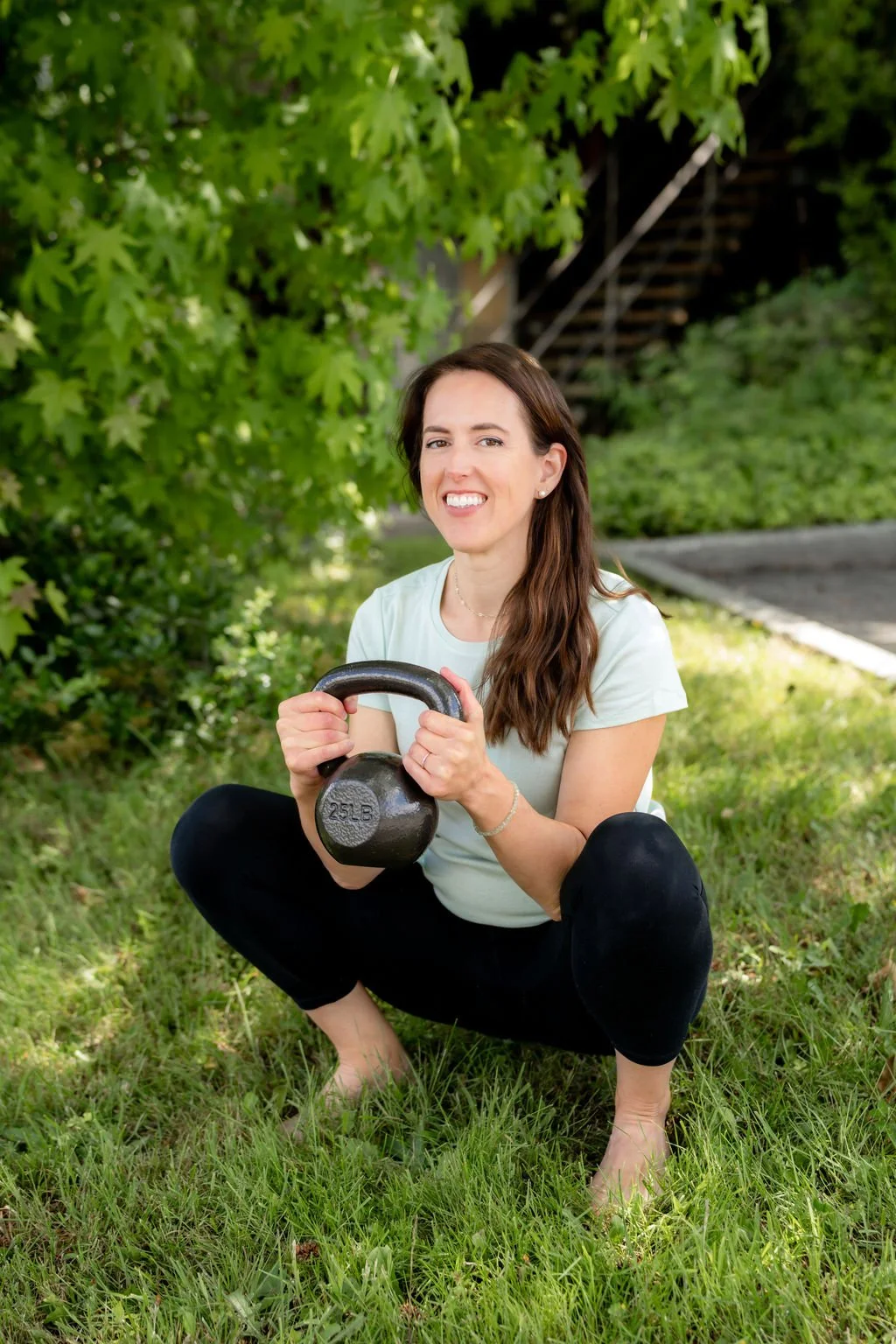
I used to think my body was broken.
I thought my back pain meant I needed a stronger core and glutes.
My tight hamstrings meant I needed to stretch more.
And if my balance was off… I just needed to practice balancing more.
Then I discovered applied neurology and started looking at movement differently… how the brain runs the show and needs good information to run a smooth ship.
I learned that strength and flexibility, steadiness, even pain, are responses of a nervous system constantly taking in information, interpreting it and deciding how to respond.
One of the highest-payoff concepts in my toolbox with my myself and clients became coordination training but applying it in a specific way with an understanding of how interconnected the body is.
Sometimes the place we needed to work wasn't where we felt pain at all.
A painful jaw might mean moving the opposite ankle.
Tight hamstrings changed after a simple eye-movement coordination drill.
And balance changed when we challenged coordination somewhere completely different from where instability was felt.
That's what we're going to explore inside COORDINATED.
If you want a better output…look to improving the input.
This Masterclass Is For You If:
You're curious about how your brain and nervous system influence movement.
You feel a little clumsy, uncoordinated or disconnected from your body.
Your balance isn't quite what it used to be.
You experience pain that doesn't always make sense.
You've tried strengthening or stretching but still don't feel like you're moving the way you want.
You want to feel more confident in your movement.
Stress seems to change how your body feels or moves.
You want simple tools to move with ease and confidence that don’t require a huge time commitment.
Imagine…
Having 2–4 simple drills you could use when you feel stiff, unsteady, or stressed.
Bending down to hug your kids or grandkids without feeling that little hesitation.
Feeling confident before a stressful meeting because you have a reliable tool that grounds you.
Meeting a pain flare-up with the curiosity of “what does my body want me to do differently” vs the panic of “what is wrong with me?”
Walking around your favorite park or a busy store and feeling steady.
Remembering what trust feels like in your body.
What you’ll learn:
Why coordination matters
How coordination connects movement, balance, sensory information and the brain.
Your personal coordination baseline
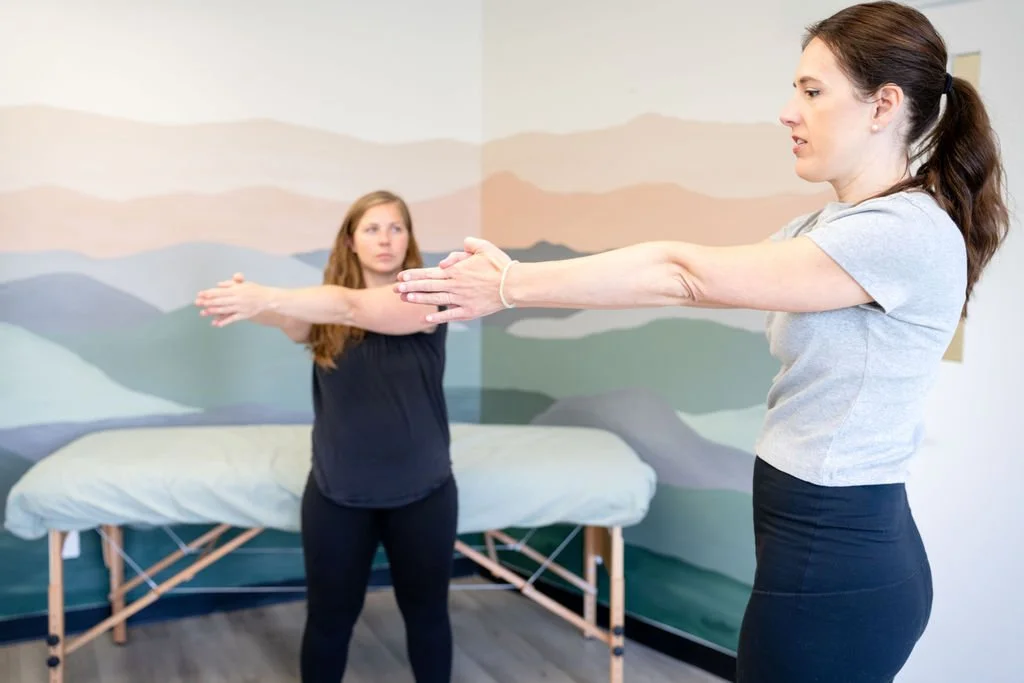
You'll perform several simple coordination assessments so you can notice where you may be less automatic, accurate or efficient.
Why the painful area isn't always where you start
Learn why I might work with an ankle for jaw or hip symptoms—and what contralateral movement and force transfer have to do with it.
The Coordination Map
Learn a simple way to think through where to start based on how a person's symptoms and movement patterns present.
Build your own 5-minute practice
Leave with 2–4 simple drills you can actually use in your everyday life.
Frequently Asked Questions
-
The class will be hosted on Google Meet. When you save your spot you will receive an email with the call information.
-
Yes! The replay will be available within 24 hours. I will send out an email with the link.
-
I recommend setting up in a quiet space with room to move.